How to run a micro-influencer campaign
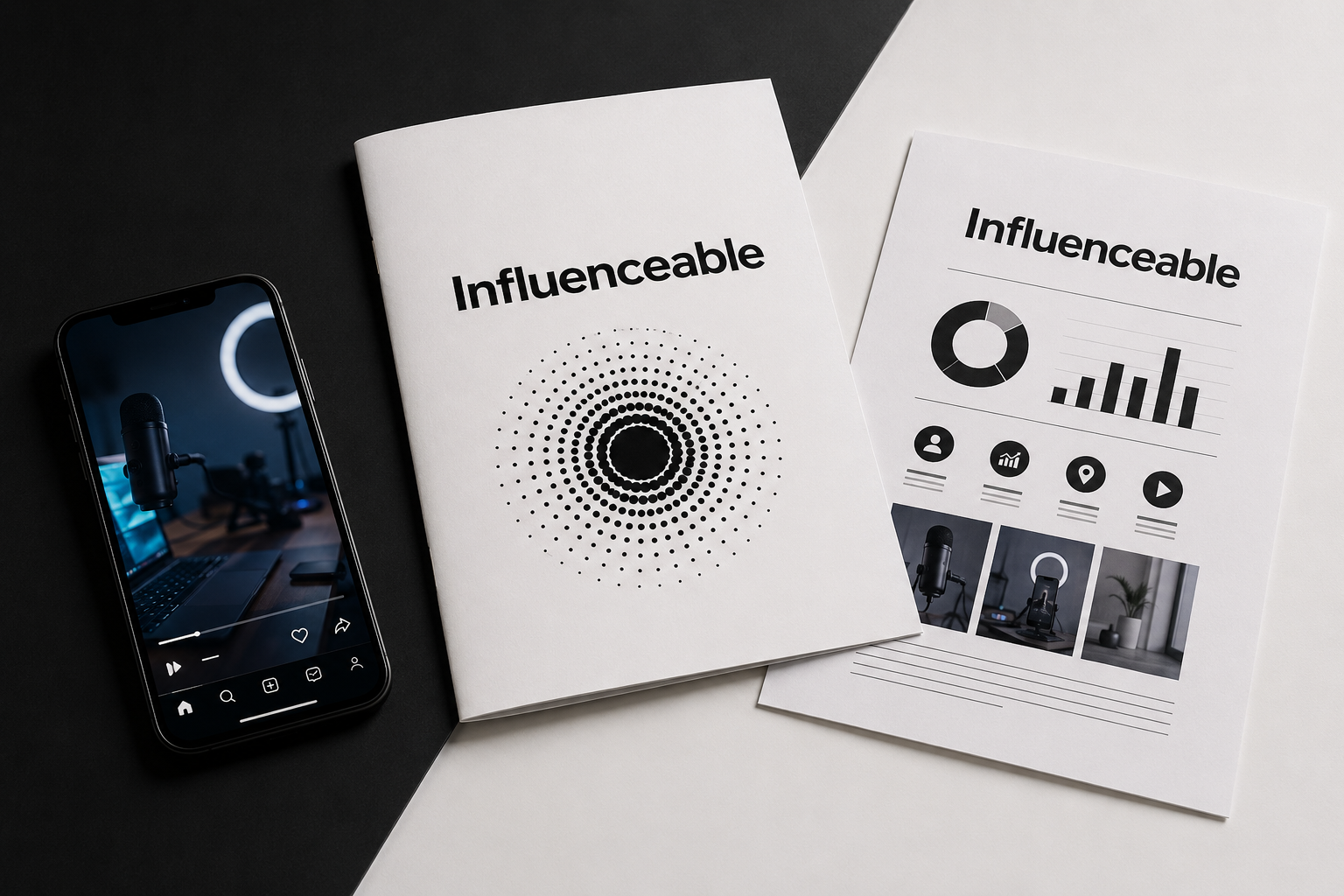
A useful micro-influencer program begins with concentrated audience relevance, a fair brief, and an operating plan that can support several creators.
Begin with a concentrated audience
A micro-influencer campaign works because several credible people can reach distinct, relevant communities with enough closeness to be heard. The strategy should not begin with a follower threshold alone. Define the customer, the decision the campaign may affect, the questions people ask before that decision, and the subjects a creator must discuss naturally. This creates a useful search territory. A smaller creator whose regular work fits the problem is often more valuable than a larger account adding the brand to an unrelated stream.
Choose one primary objective for the first program. Awareness, explanation, trial, content creation, event attendance, and sales can coexist, but they require different briefs and evidence. State the desired audience response in plain language and select formats that can produce it. A complex product may need demonstrations or a series. A local launch may need geographically concentrated voices. A considered purchase may benefit from educators who can answer objections. Clarity here makes every later decision easier.
Recruit a cohort, not a list
Build an initial longlist from subject research, customer recommendations, platform search, newsletters, communities, and previous brand mentions. Review recent work across enough time to understand the creator's normal voice. Look for topic consistency, audience conversation, production ability, commercial frequency, disclosure habits, and any conflict with the assignment. Record the reason each person fits. That sentence is a stronger selection tool than a composite score because colleagues can examine its logic.
The final group should have intentional variety without becoming random. Creators might address different use cases, audience segments, regions, or formats while sharing the campaign objective. Avoid selecting many accounts that reach the same followers in the same way. Ask creators about audience overlap and what they would contribute that another participant may not. A coherent cohort lets the campaign learn across perspectives while keeping the message recognizable.
Make outreach personal and complete
The opening message should identify the brand, explain why the creator was selected, summarize the assignment, name the timing, and provide a credible budget range or fee. Include the contact's real identity and a route for questions. Do not disguise a mass email as personal admiration. A specific reference to relevant work demonstrates fit, while complete commercial information respects the creator's time. Give recipients a reasonable deadline and do not interpret silence as consent to repeated daily follow-up.
Qualification runs both ways. Creators should be able to assess the product, claims, company conduct, creative constraints, and payment reliability before agreeing. Brands can request audience evidence, conflicts, availability, and representative results in proportion to the project. Avoid collecting sensitive information that will not influence a decision. Once both sides see a fit, move promptly to a written scope. Long informal conversations create hidden work and make the eventual agreement harder to reconstruct.
Write a brief creators can use
A useful brief states the objective, audience, required facts, prohibited or regulated claims, deliverables, channels, dates, disclosure, product handling, review process, payment, usage, and measurement. It also explains what the brand hopes the audience will understand. Supply source material and a direct contact for factual questions. Separate mandatory requirements from suggestions so creators know where judgment is welcome. A document that labels every sentence mandatory has hired distribution rather than authorship.
Invite each creator to propose the angle that fits their audience. They may know that a demonstration, comparison, story, tutorial, or candid limitation will be more useful than the brand's initial idea. Evaluate concepts against accuracy and the campaign objective, not against whether every participant uses identical words. Cohesion can come from a shared problem, product truth, or visual element. Variation is valuable when the program is designed to learn which explanation earns attention.
Contract and pay fairly
The agreement should match the brief and settle deliverables, schedule, approvals, compensation, expenses, cancellation, disclosure, rights, exclusivity, confidentiality, and what happens when the product or campaign changes. Limit revisions to a stated number and distinguish factual corrections from subjective preferences. If several internal reviewers can comment, appoint one person to consolidate feedback. Creators should not resolve contradictions among brand departments without compensation or authority.
Set payment milestones and collect vendor information before the due date. A creator should not wait while a large company's internal purchase order is created after publication. For a cohort, maintain one tracker showing contract, shipment, concept, draft, approval, live link, invoice, payment, and rights expiration. Operational consistency is part of the brand experience. Small creators often carry more financial exposure relative to their business, so predictable payment matters especially.
Manage production without flattening it
Hold a concise kickoff when the assignment is complex, then use written records for decisions. Confirm product arrival, deadlines, contact details, and any known absence. Review concepts only when concept review is necessary. During draft review, check required facts, claims, disclosure, brand safety, deliverable specifications, and agreed boundaries. Do not rewrite natural phrasing merely to make every asset sound like the same advertisement. The creator's recognizable voice is one reason the partnership can work.
Create an exception path. Products arrive damaged, platforms fail, creators become ill, weather changes, or a fact needs correction. The operator should know who can extend a deadline, approve a replacement, or stop publication. Keep routine communication light so genuine exceptions receive attention. A cohort magnifies both good and poor processes. One unclear instruction can produce ten rounds of avoidable email, while one strong template can give ten creators more time for useful work.
Publish, support, and measure
Before launch, verify links, codes, disclosure, tags, rights status, and the final schedule. Decide whether posts should cluster around a moment or appear over time. Give customer service and community teams the product facts they may need when interest arrives. The brand should engage where appropriate without taking over the creator's conversation. If paid amplification is planned, obtain permission and technical access before the campaign window rather than requesting it after a post performs well.
Measure delivery, response, and business signals separately. Confirm that contracted work appeared correctly. Then examine relevant reach, watch behavior, saves, comments, clicks, searches, signups, sales, or research according to the objective. Preserve denominators and note missing data. Compare creators carefully because formats and audiences differ. The purpose is not to turn a small cohort into a public ranking. It is to understand which subjects, explanations, formats, and audience conditions deserve another test.
Turn the first campaign into a program
Run a review with the operating team and invite creator feedback. Ask where the brief was unclear, which approvals consumed time, what audience questions appeared, what evidence is trustworthy, and what should change. Share useful results with creators in context. Update templates, rate assumptions, shipping plans, and the selection record while memories are fresh. A campaign becomes valuable beyond its published assets when it improves how the organization works.
Continue relationships where the fit is real. Repeat collaborations reduce onboarding and allow a creator to understand the product more deeply, but they should not become automatic. Refresh the objective and give recurring partners new information or creative room. Add new voices when they reach a distinct community or offer a needed skill. A strong micro-influencer program grows through relevant relationships, fair operations, and cumulative learning. It does not grow by sending the same brief to an ever larger spreadsheet.
Useful references
HubSpot Marketing Hub provides further context for teams making decisions in this area.
Hootsuite blog provides further context for teams making decisions in this area.
Buffer resources provides further context for teams making decisions in this area.
Emplifi provides further context for teams making decisions in this area.